Why wine still has so much to offer: a graduate's vision
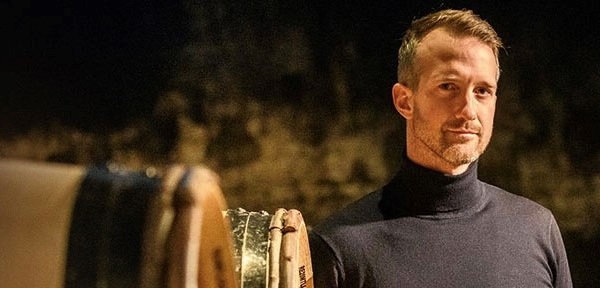
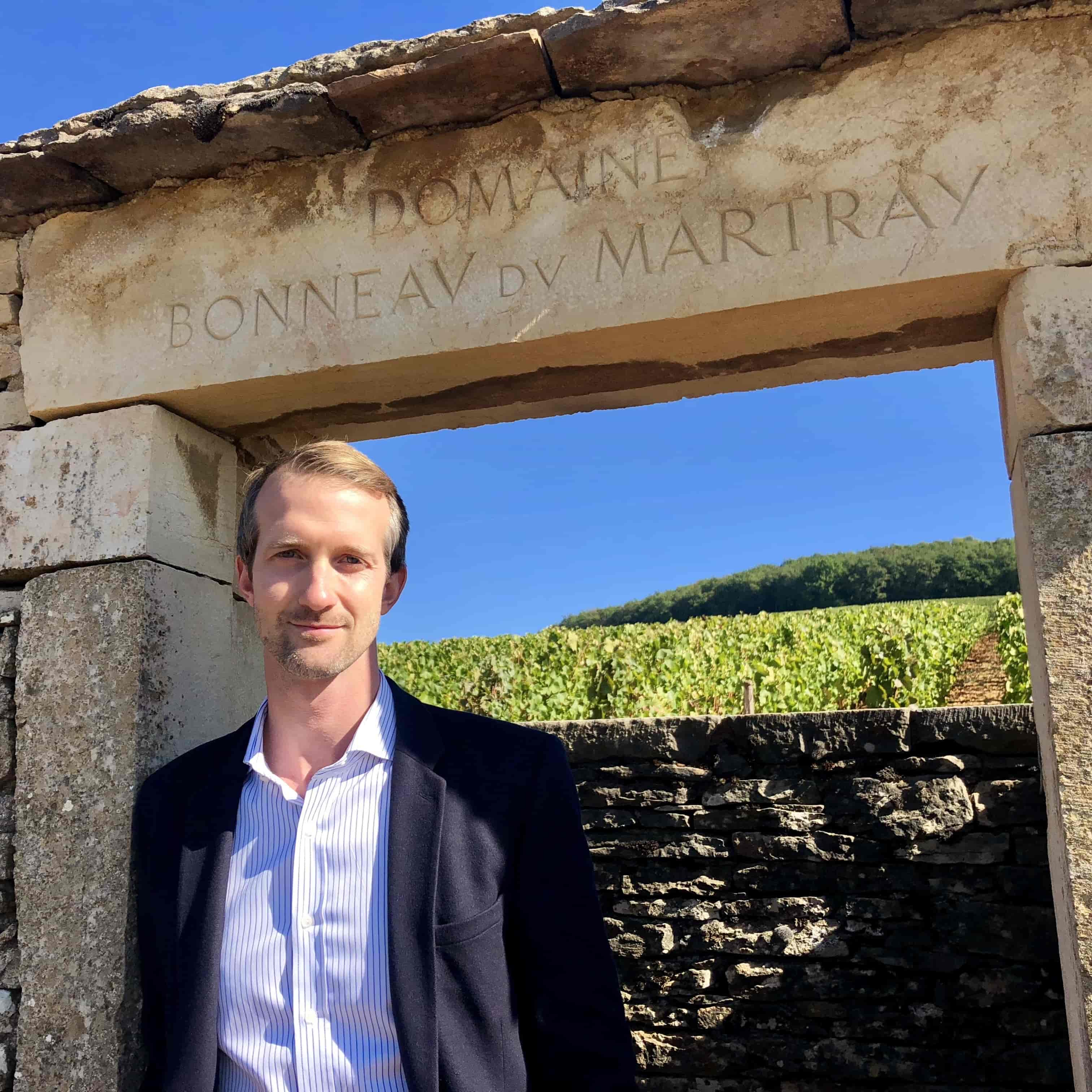
Thibault Jacquet is one of those who knows wine inside out: the vineyard, the terroir, the trade, exports, the markets and the consumers. As manager of Domaine Bonneau du Martray in Pernand-Vergelesses and founder of Karolus France, he takes a candid view of the sector’s challenges — with one firm belief: wine still has a great deal to offer.
Having graduated with a Specialised Master’s in International Wine & Spirits Trade in 2010, he has built a career spanning wine estates, international development and entrepreneurship. A career path that now allows him to observe the industry with clarity, without ever losing sight of the passion that drives it.
A market in transition… but far from having had its final say
When asked about the major trends shaping the wine market, Thibault does not seek to sugar-coat the reality.
“The post-Covid euphoria has given way to a world of uncertainty and geopolitical tensions, where fear of the future, the economic slowdown and inflation are weighing on consumption, particularly that of wine.”
But this analysis is not a declaration of defeat. It is a call for resilience.
“Wine remains an experience, a moment of sharing. Our duty as winemakers is to support those who keep this culture alive so that wine retains its place at the table.”
For behind the figures, wine remains a cultural heritage, a vehicle for connection and emotion.
A new generation of more conscious consumers
Habits are changing. Consumers want to understand what they are drinking.
“Consuming less but better is a powerful idea, but the question of price remains central. Organic has been perceived as a high-end category, not always accessible. The obligation to list ingredients is, in my view, a good thing: it’s a way of encouraging the use of fewer inputs.”
But that’s not all. For him, the challenge is also cultural.
“Young people haven’t necessarily grown up with this French tradition of wine at the table, and may not be familiar with this multitude of terroirs, appellations, labels… It can be intimidating. We have a real duty to educate and support people to preserve this heritage.”
Education therefore becomes key to reconnecting younger generations with wine.
The international market: real challenges, but major opportunities
For Thibault, France retains a decisive advantage: “French wines are still in high demand worldwide; we are fortunate to have this, and we must cherish it to ensure it lasts.”
The United States and Asia remain key markets for the premium segment, even if they are less dynamic than a few years ago. Europe, for its part, maintains relatively stable consumption.
But exporting today requires a new level of agility: “Geopolitics, logistics, taxes, exchange rates… these are realities we must take into account. The current climate creates additional costs and delays, and customs duties are a real obstacle.”
To succeed internationally, one must now understand the markets, adapt and build strong relationships.
Authenticity: the beating heart of enduring brands
In a saturated market, authenticity is a genuine competitive advantage.
“Authenticity is essential. A vineyard that operates organically and is mindful of its environmental impact resonates far more with consumers than it did 20 years ago. We offer ‘capsules of happiness’ for sale, to be enjoyed during moments of conviviality. Our duty is to do our utmost not to break that promise.”
For Thibault, this authenticity is not merely a marketing stance. It is the natural extension of a sincere approach.
A wide range of careers and career paths
Wine is not just about production. The sector offers an impressive variety of careers.
“There are opportunities at every stage of the chain: with the producer, in marketing, in exports, as an agent, importer, wine merchant, in e-commerce or even in auction houses.”
And there are countless ways to get into the industry, with one key point, however: “Wine enthusiasts succeed, and those who enjoy human interaction succeed all the more.”
For Thibault, success thus rests on two pillars: a passion for the product and a passion for people.
Digital as a lever, but people as the ultimate goal
Digital technology is transforming our relationship with wine, but it does not replace what matters most: “Digital is a bridge, but in the world of wine, everything ultimately comes back to human contact. Authenticity comes through that contact, that closeness.”
Tools evolve, but the heart of the trade remains human interaction.
A people-centred industry, rich in meaning
What strikes Thibault most are the moments he experiences on the ground.
“On every trip around the world, I’m blown away by the welcome we receive from wine lovers. It’s stimulating, energising. I realise the strength of our culture.”
For him, wine is a human adventure: “What’s so appealing is contributing to something authentic, something that spans the ages and eras. It drives us to do it without compromise.”
A message to the younger generations
For those considering a career in this sector, Thibault shares a strong conviction: “In a world that is highly connected yet, paradoxically, more solitary, wine creates bonds. And it conveys values of hard work, teamwork and sharing, as well as discipline and resilience.”
And despite the challenges, the possibilities remain numerous: “The opportunities are global. Those who are not afraid of adventure can thrive anywhere on the planet.”
A sector to build, together
Wine is changing. Expectations are evolving. Markets are transforming. But one thing remains unchanged: the need for passion, for passing on knowledge, and for meaning.
For Thibault, the future belongs to those who can combine clear-sightedness with commitment.
Wine is not an easy promise to keep. But for those who want to build, learn, pass on knowledge and connect, it is a vast arena for self-expression — and a powerful lever for impact.
6_200.jpg)
_EN_200.jpg)